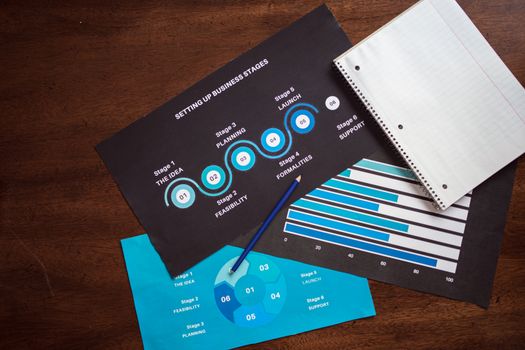
The world of small and medium-sized enterprises (SMEs) is evolving at a rapid pace, and nowhere was this more apparent than at the latest global business summit. This pivotal event brought together leading thinkers, policymakers, entrepreneurs, and innovators for a series of high-impact discussions and workshops. What set this summit apart was its bold vision for a new era in SME development, underpinned by fresh policy frameworks, digital transformation, and international collaboration. In this article, we’ll explore the profound impact of the latest business summit on SMEs—delving into new regulatory landscapes, digital opportunities, global partnerships, and the innovative spirit shaping tomorrow’s business leaders.
The Changing Policy Landscape: A Turning Point for SMEs
One of the most significant outcomes of the latest business summit was the unveiling of a new set of policy recommendations specifically designed to empower SMEs. Historically, SMEs have struggled with bureaucratic red tape, limited access to funding, and regulatory environments tailored to larger corporations. However, this summit marked a shift, as government representatives and industry leaders jointly committed to a more SME-friendly policy environment.
According to the World Bank, SMEs constitute over 90% of businesses worldwide and create more than 50% of jobs globally. Yet, only 40% of formal SMEs in developing countries have access to the credit they need. Recognizing this gap, summit delegates announced a new “SME Fast-Track Framework” aimed at streamlining business registration, improving access to finance, and reducing compliance costs.
.png)
This policy overhaul includes:
- Simplified business licensing procedures, projected to reduce average startup registration time from 30 days to just 7 days in participating countries. - New public-private funding partnerships, with $5 billion pledged in low-interest loans for SMEs across Asia, Africa, and Latin America. - A digital one-stop platform for SMEs to access legal, financial, and market information—enabling entrepreneurs to make informed decisions and reduce administrative burdens.These changes signal a major shift in how governments and institutions view SME development, placing it at the heart of national and regional economic strategies.
Digital Transformation: Unlocking New Opportunities
If there was a single buzzword that dominated the summit, it was “digitalization.” The pandemic accelerated the digital revolution, but for many SMEs, the journey is just beginning. The summit showcased breakthrough technologies and digital tools designed to help SMEs compete in increasingly tech-driven markets.
A recent survey by the International Trade Centre found that digitally enabled SMEs are 2.5 times more likely to grow their exports than those with limited digital engagement. Summit sessions focused on:
- Adopting cloud-based business solutions for accounting, inventory, and customer relationship management. - Leveraging artificial intelligence for market research, personalized marketing, and supply chain optimization. - Implementing e-commerce platforms that allow even the smallest businesses to reach global consumers.Case studies presented at the summit included a family-owned textile business in India that increased revenues by 180% in 18 months after launching an online store, and a Kenyan agritech startup that reduced post-harvest losses by 25% using IoT sensors and real-time data analytics.
To further facilitate digital transformation, the summit saw the launch of “SME Digital Bootcamps”—intensive training programs in partnership with major tech providers like Google and Alibaba, aiming to upskill at least 500,000 SME managers by 2025.
Global Collaboration: Building Bridges for Growth
Cross-border collaboration emerged as another defining theme. The summit served as a hub for forging new international partnerships, with over 1,200 bilateral meetings and 300 new trade agreements initiated during its four-day run. These efforts are designed to help SMEs break out of local markets and tap into global supply chains.
Key initiatives included:
- The SME Export Accelerator, a joint effort between the European Union, ASEAN, and the African Union, which provides mentorship, market access support, and logistics solutions to SMEs expanding overseas. - A new “Global SME Partnership Fund” with $2.2 billion earmarked for co-investment in international joint ventures and export-oriented projects. - The introduction of digital trade corridors that simplify customs procedures and reduce shipping times, with a pilot program cutting average export processing time from 14 days to just 48 hours.Here’s a comparative overview of traditional vs. summit-inspired SME internationalization approaches:
| Aspect | Traditional Approach | Summit-Inspired Innovations |
|---|---|---|
| Market Entry Time | 6-12 months | 1-3 months |
| Access to Trade Finance | Limited, high-interest | Expanded, low-interest |
| Export Processing Time | 14 days | 48 hours |
| Networking Opportunities | Local, fragmented | Global, integrated |
This new era of global collaboration is expected to fuel SME growth well beyond traditional boundaries, opening up fresh opportunities for innovation and revenue generation.
Championing Sustainability and Social Impact
Sustainability was woven throughout the summit’s agenda, reflecting a growing recognition that future business success is intrinsically linked with environmental and social responsibility. For SMEs, this shift is both a challenge and an opportunity.
The summit introduced the “SME Green Transition Fund” with an initial capital of $800 million, aimed at helping SMEs:
- Adopt energy-efficient technologies and renewable energy sources. - Develop sustainable supply chains and eco-friendly packaging. - Achieve internationally recognized sustainability certifications.According to the United Nations Environment Programme, SMEs account for 60-70% of global industrial pollution. By incentivizing greener practices, summit organizers hope to drive meaningful change at scale. An example presented was a Brazilian food packaging SME that cut its carbon emissions by 40% in two years by switching to biodegradable materials, while also gaining access to new eco-conscious markets in Europe.
In addition, the summit highlighted social impact initiatives such as inclusive hiring practices, gender equity programs, and financial literacy campaigns. These are designed not just to boost business performance, but to foster resilient and equitable communities.
Fostering a Culture of Innovation and Leadership
The latest business summit placed a strong emphasis on nurturing the next generation of SME leaders. Workshops and panel discussions focused on fostering entrepreneurial mindsets, creative problem-solving, and adaptive leadership skills.
Notable initiatives included:
- The “SME Innovators Lab”—an incubator program offering mentorship, seed funding, and access to advanced R&D facilities for high-potential startups. - Leadership academies tailored for women, minority entrepreneurs, and young founders, aiming to increase diversity in SME leadership by 20% over the next five years. - A global innovation challenge, with $1 million in prizes for breakthrough solutions in sectors like health, fintech, and sustainable manufacturing.A particularly inspiring moment came from a panel featuring under-30 entrepreneurs who shared how summit connections helped them secure partnerships and funding that transformed their businesses. According to summit data, 68% of attending SMEs reported initiating new collaborations or projects within three months after the event, underscoring the tangible impact of these networking and learning opportunities.
Looking Ahead: The Lasting Impact of the Business Summit on SMEs
The latest business summit has clearly set the stage for a new era in SME growth, characterized by supportive policies, digital empowerment, global networks, sustainable business practices, and a renewed focus on innovation. The initiatives and commitments made at the summit are not just theoretical—they are already being translated into action, with measurable outcomes for SMEs around the world.
For entrepreneurs and business leaders, the message is clear: those who embrace these new opportunities and adapt to the evolving landscape will be best positioned to thrive in an increasingly competitive global market. The summit has shown that SMEs are no longer on the periphery of economic policy and innovation—they are now at the very center of the world’s economic future.