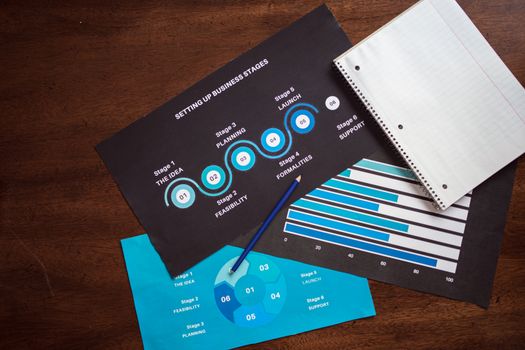
The world of small and medium-sized enterprises (SMEs) is rapidly evolving, and a recent global business summit has ushered in a transformative era for these vital engines of economic growth. As the digital landscape shifts and global markets become more interconnected, SMEs are no longer confined to traditional business models or local boundaries. This latest business summit, attended by over 2,500 delegates from more than 80 countries in 2024, showcased cutting-edge technologies, new regulatory frameworks, and innovative partnerships that promise to redefine the future for SMEs.
This article explores how the outcomes of this landmark event are impacting SMEs, from digital transformation and sustainability mandates to access to global markets and inclusive finance. We’ll also highlight real-world examples, share key statistics, and provide a comparative look at the pre- and post-summit SME environment.
Revolutionizing SME Operations: The Digital Transformation Agenda
One of the summit’s most talked-about themes was the acceleration of digital transformation for SMEs. According to a 2023 World Bank report, only 37% of SMEs globally had adopted advanced digital tools prior to the summit. However, new initiatives unveiled at the event aim to increase that number to 60% by 2026 through subsidized training programs, public-private partnerships, and cross-border mentorship schemes.
.png)
Major technology firms announced the launch of SME-specific cloud solutions, AI-powered business analytics, and e-commerce platforms tailored to the unique needs of smaller enterprises. For example, a pilot project in Southeast Asia saw participating SMEs increase their online sales by 35% within six months after adopting summit-endorsed e-commerce tools. These digital advances not only streamline operations but also open up new revenue streams, enabling SMEs to compete on a global stage.
Sustainability as a Core Business Strategy for SMEs
The summit made it clear: sustainability is no longer optional. Over 70% of attendees agreed that environmental, social, and governance (ESG) compliance is now a top priority for SMEs. New frameworks were introduced to help smaller businesses measure and report their sustainability performance in line with international standards.
A standout example came from a European SME that reduced its carbon footprint by 28% after implementing summit-recommended supply chain adjustments. Governments and financial institutions responded by pledging $2.5 billion in green financing for SMEs that meet specific sustainability criteria, making eco-friendly practices not just good for the planet, but also financially rewarding.
Access to Global Value Chains: Breaking Barriers
Historically, SMEs have struggled to integrate into global value chains (GVCs) due to limited resources and lack of network access. The summit addressed this by launching the Global SME Export Gateway, an online platform connecting SMEs with international buyers, logistics providers, and compliance consultants. Early data from the summit’s post-launch survey reveals that 1,200 SMEs registered in the first month, with over $100 million in new export contracts signed.
The table below illustrates the stark contrast in export growth opportunities before and after the summit’s initiatives:
| Period | Average Annual SME Export Growth | Percentage of SMEs Exporting | Average Export Contract Value |
|---|---|---|---|
| Pre-Summit (2021-2023) | 3.5% | 14% | $54,000 |
| Post-Summit (2024 forecast) | 7.2% | 23% | $87,000 |
This surge in global engagement is expected to translate into tens of thousands of new jobs and increased competitiveness for SMEs worldwide.
Inclusive Finance: Bridging the Funding Gap for SMEs
Despite accounting for over 90% of businesses globally, SMEs consistently face funding challenges. The International Finance Corporation estimates the global SME finance gap at $5.2 trillion annually. Recognizing this, summit organizers brokered partnerships between fintech companies, banks, and government agencies to create flexible financing products.
One notable outcome is the introduction of real-time credit scoring using alternative data—such as transaction histories and supply chain records—allowing even micro-enterprises to access working capital. In Africa, a pilot program resulted in a 41% increase in SME loan approvals within three months of deployment. Additionally, summit agreements will facilitate the creation of digital loan marketplaces, reducing approval times from weeks to hours.
Policy Innovation: A New Regulatory Landscape for SMEs
The summit was not just about business deals; it was also a forum for groundbreaking policy discussions. Policy-makers from over 50 countries agreed to streamline business registration procedures, harmonize cross-border taxation rules, and adopt digital identity standards for SMEs. These policy shifts are projected to reduce SME compliance costs by up to 18% over the next two years.
A particularly impactful announcement was the launch of the SME Regulatory Sandbox, which allows businesses to pilot new products and services under temporary, simplified regulations. Early participants report a 30% reduction in time-to-market for new offerings, giving them a crucial competitive edge.
Empowering the Next Generation: Skills, Leadership, and Diversity
The future success of SMEs hinges on talent and leadership. The summit placed a strong emphasis on upskilling the current workforce and nurturing young entrepreneurs. Over 150 training sessions were held on topics ranging from digital marketing to responsible AI deployment. Scholarships and mentorship programs were unveiled for women and minority entrepreneurs, aiming to double female SME ownership by 2030.
A case in point: a Latin American SME led by a female founder secured $1.2 million in venture funding after participating in a summit-backed accelerator program. These initiatives are expected to have a ripple effect, fostering more inclusive and resilient SME ecosystems worldwide.
Shaping a New Era: The Ongoing Impact of the Business Summit on SMEs
The latest business summit has clearly marked a turning point for SMEs. From digital transformation and sustainability to global trade integration and policy innovation, the changes set in motion are already empowering millions of small businesses. The numbers speak for themselves: higher export growth, increased loan approvals, and measurable gains in sustainability performance.
But perhaps the most lasting impact is the sense of global community and shared purpose fostered at the summit. SMEs are no longer operating in isolation; they are part of an interconnected network, equipped with the tools, knowledge, and support needed to succeed in the 21st century.
As these initiatives take root, we can expect a more dynamic, innovative, and inclusive SME sector—one that drives economic prosperity and job creation for years to come.